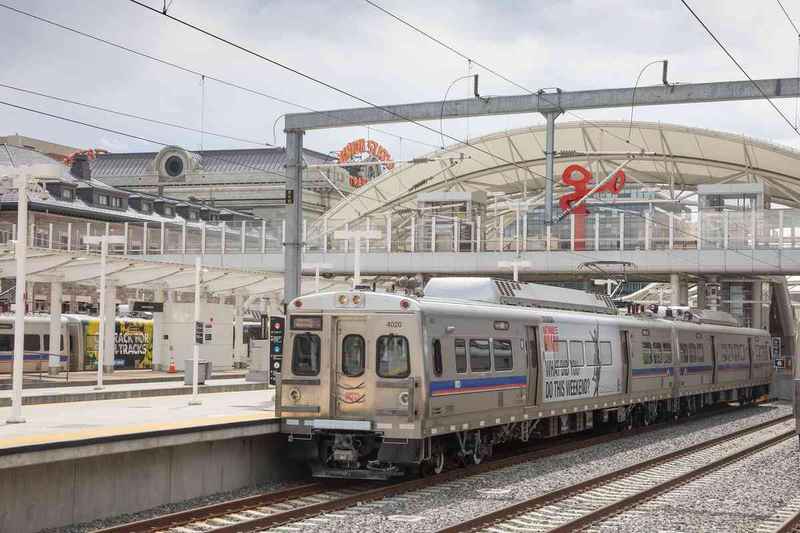
I own a car. A 2018 Honda CR-V that I paid off in 2022. I also have an RTD monthly pass that costs $88. I use both. The car for weekend trips to the mountains, Costco runs, and days when I have client meetings across the metro area. The bus and light rail for my daily commute to downtown and trips to DIA. And I have run the numbers more times than I care to admit. Here is what they tell me.
Owning a car in Denver costs about $800 to $1,000 a month. That includes the payment, insurance, gas, maintenance, registration, and parking. If your car is paid off, it is still $400 to $600 a month for insurance, gas, maintenance, and the occasional repair. The $88 RTD pass is not just cheaper. It is dramatically cheaper.
But cheaper does not always mean better. And the decision to rely on public transit in Denver is not purely financial. It is logistical, psychological, and lifestyle-based. Let me break it down.
The financial case for RTD is overwhelming. At $88 a month, the annual cost is $1,056. Compare that to car ownership. Insurance alone in Denver averages $140 a month for a modest vehicle. Gas is $120 to $150 a month if you commute daily. Maintenance averages $100 a month over time. Registration is $20 a month. Parking downtown is $150 to $200 a month if you do not have a subsidized spot. Even without a car payment, you are at $530 to $610 a month. With a car payment of $400, you are at $930 to $1,010. The RTD pass saves you $450 to $900 a month.
But the financial case assumes you can actually use RTD for your life. And that is where things get complicated. Denver's public transit is decent but not comprehensive. The light rail covers major corridors. The bus system reaches most neighborhoods. But if you live in Highlands Ranch and work in Boulder, your commute involves multiple transfers and two hours each way. That is not realistic for most people.
📊
Monthly Budget Calculator
Build a zero-based budget that accounts for every dollar coming in and going out.
All data stays in your browser — we never see it.
I had a client who lived in Aurora and worked in LoDo. Her commute by car was 35 minutes. By bus and light rail, it was 55 minutes. She tried it for a month. Saved $600 a month. Gained an hour of reading time each way. Lost the flexibility to run errands at lunch or pick up her kid from school early. She went back to driving three days a week and taking RTD two days. A hybrid approach that saved $240 a month while keeping some flexibility.
That is actually my recommendation for most people. Do not go all-or-nothing. Use RTD for your predictable commutes. Drive for the unpredictable stuff. If you work downtown five days a week and live near a light rail station, take the train. If you have kids in daycare and need to pick them up by 5:30, drive. Flexibility is worth something. Just know what you are paying for it.
The $88 pass is actually a steal when you factor in what it includes. Unlimited rides on all buses and light rail. Including the A-Line to DIA. A one-way trip to the airport on the A-Line is $10.50. Round trip is $21. If you fly twice a month for work, the pass pays for itself just in airport trips. I have a client who travels for work weekly. His company reimburses his RTD pass. He pays nothing for transportation. Zero.
RTD also offers fare capping now, which means if you use Tap-n-Ride or the MyRide app, you never pay more than the daily or monthly pass rate even if you buy single rides. A 3-hour pass is $2.75. A day pass is $5.50. If you take three trips in a day, you automatically get the day pass price. It is actually a pretty fair system.
✂️
Expense Splitter
Split shared bills fairly between roommates, couples, or travel groups.
All data stays in your browser — we never see it.
The monthly budget calculator on our site can help you run your own comparison. Input your car costs. Input the RTD pass cost. See the difference. Factor in your time. Factor in your flexibility needs. Make an informed decision.
The 50/30/20 calculator is useful here too because transportation is a needs category. If you can cut $400 a month by switching to RTD, that money can go to savings, debt payoff, or just breathing room. That is $4,800 a year. That is an emergency fund. That is a vacation. That is real money.
And the expense splitter matters if you share a car with a partner. Track who drives when, who pays for gas, who covers insurance. Split it fairly. Or better yet, sell the second car and both get RTD passes. One-car households save an average of $600 a month. That is life-changing money for most families.
Denver is investing in transit. The A-Line to DIA is fantastic. The N-Line to Thornton is solid. The E-Line to Lone Tree works. More lines are planned. The city knows it cannot keep building highways forever. Traffic on I-25 is already a nightmare. The E-470 toll road costs $14 one way. Parking downtown costs more than the RTD pass. The math keeps getting better for transit.
But I am not going to pretend RTD is perfect. Buses run late. Trains break down. The schedules do not always match your life. The stations are not always in the safest areas. These are real concerns. Weigh them against the cost. Weigh them against your values. If you care about the environment, transit wins. If you care about your budget, transit wins. If you care about convenience, cars win. Most of us care about all three. Find your balance.
For me, the balance is one car plus two RTD passes. We save $400 a month compared to two cars. We have flexibility when we need it. We take the train when we can. It works. It might work for you too.
⚖️
50/30/20 Calculator
Split your income into needs, wants, and savings with this classic framework.
All data stays in your browser — we never see it.
FAQs
How much does the RTD monthly pass cost?
$88 for unlimited rides on all buses and light rail, including the A-Line to DIA. Discount passes are $27 for eligible riders.
Is public transit cheaper than owning a car in Denver?
Yes, significantly. Car ownership costs $800-$1,000 monthly including payment, insurance, gas, and maintenance. The RTD pass is $88 monthly.
Does RTD go to Denver International Airport?
Yes, the A-Line connects downtown Denver to DIA. It is included in the monthly pass. A single ride is $10.50.
What is fare capping on RTD?
With Tap-n-Ride or MyRide, you never pay more than the daily or monthly pass rate, even if you buy single rides. Three trips automatically become a day pass.
Should I sell my car and use RTD full-time?
It depends on your lifestyle. A hybrid approach, using RTD for commutes and keeping one car for flexibility, works well for many families.
Table: Car Ownership vs RTD Costs in Denver
| Cost | Car (with payment) | Car (paid off) | RTD Pass |
|------|-------------------|----------------|----------|
| Payment | $400 | $0 | $0 |
| Insurance | $140 | $140 | $0 |
| Gas | $150 | $150 | $0 |
| Maintenance | $100 | $100 | $0 |
| Parking | $150 | $150 | $0 |
| Registration | $20 | $20 | $0 |
| RTD pass | $0 | $0 | $88 |
| Total | $960 | $560 | $88 |