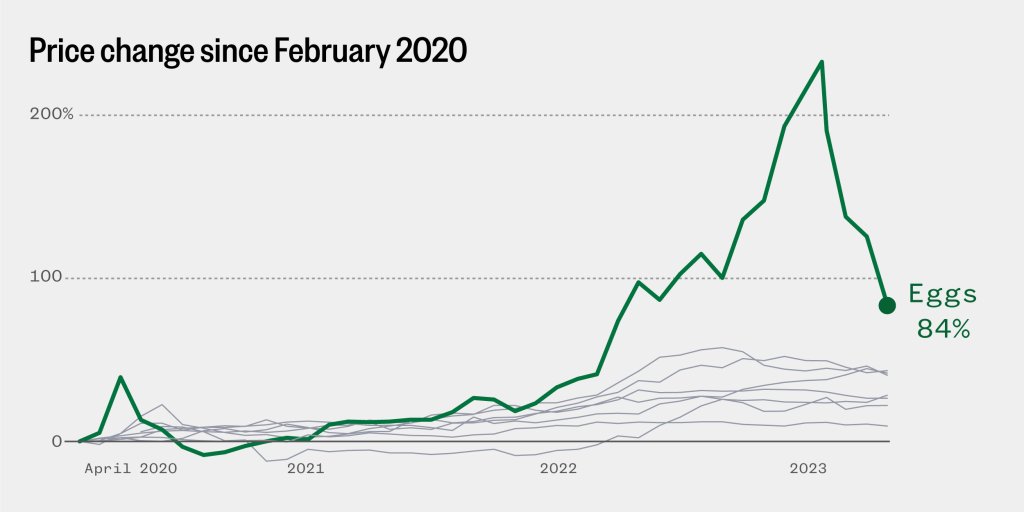
I spent $612 on groceries last month. For a family of four. Plus a dog who eats like he is training for a marathon. Rachel looked at the receipt and said, "That is actually not terrible." She was right. It is not terrible. It is also not $200, which is what some internet guru claims a family should spend. In Denver. In 2026. Where a carton of eggs is $5.49 and organic milk is $4.79 a gallon.
But here is the thing. Feeding one person in Denver for under $400 a month is absolutely doable. I have done the math. I have done the shopping. I have meal-prepped with clients who were convinced it was impossible. It is not. It just requires a system.
The average single person in Denver spends $392 a month on food according to Salary.com. That is the average. Not the minimum. The minimum, if you are strategic, is closer to $300. The comfortable middle is $350 to $400. Above $450 and you are either eating out a lot, buying premium everything, or feeding a partner who is not contributing.
Let me break down what $400 a month actually looks like. That is $100 a week. $14.28 a day. Three meals plus snacks. It sounds tight. It is tight. But it is not rice-and-beans-every-night tight. It is "plan ahead, shop smart, cook at home" tight.
Breakfast is the easiest place to save. Oatmeal with peanut butter and banana. Eggs and toast. Greek yogurt with granola. Cost per meal: $1.50 to $2.50. Compare that to a $6 breakfast sandwich at the coffee shop on your way to work. Over a month, that difference is $75 to $100.
Lunch is where most people bleed money. The $12 salad. The $15 burrito. The $8 sandwich. If you work downtown, lunch can easily hit $15 a day. That is $300 a month just for lunch. For one person. The fix is meal prep. Cook on Sunday. Make four lunches. Rice, beans, chicken, vegetables. Simple, repeatable, cheap. Cost per lunch: $3 to $4. Total monthly lunch cost: $60 to $80. You just saved $220.
📊
Monthly Budget Calculator
Build a zero-based budget that accounts for every dollar coming in and going out.
All data stays in your browser — we never see it.
Dinner is where you have the most flexibility. A pound of chicken thighs is $3.99. A bag of rice is $2.50. Frozen vegetables are $1.50 a bag. That is a $7 dinner that feeds two people. Or one person with leftovers. Compare that to $25 for takeout pad thai. Over a month, cooking dinner at home saves $400 to $500 easily.
The grocery budget calculator on our site helps you figure out your personal target. Input your family size, dietary restrictions, and how often you eat out. It gives you a realistic number based on Denver prices. Not national averages. Denver prices. Because $300 a month in Denver is not the same as $300 a month in Topeka.
Here are the rules I give my clients. Rule one: shop with a list. Not a mental list. A written list. Based on a meal plan. If it is not on the list, it does not go in the cart. Rule two: never shop hungry. I do not care how disciplined you think you are. Hunger makes you buy chips, cookies, and fancy cheese you do not need. Rule three: buy generic for staples. Flour, sugar, rice, beans, pasta, canned tomatoes. The store brand is the same product in a different package. Rule four: shop sales and freeze. Chicken breasts at $1.99 a pound? Buy ten pounds and freeze them. Rule five: limit processed foods. They are expensive and not filling. A $5 frozen pizza feeds you once. $5 worth of rice and beans feeds you four times.
I also recommend the expense splitter if you share groceries with a partner or roommate. It handles the math of who bought what and who owes whom. No more arguments about the $8 avocado oil Rachel bought that you never use.
And the monthly budget calculator keeps your grocery spending in context. If you are spending $400 on groceries but $600 on dining out, the problem is not your grocery budget. It is your restaurant habit. Fix that first.
✂️
Expense Splitter
Split shared bills fairly between roommates, couples, or travel groups.
All data stays in your browser — we never see it.
Let me address the quality concern. People think eating cheap means eating poorly. It does not. Denver has amazing farmers markets from May through October. The one on Old South Pearl Street has produce that is cheaper and fresher than most grocery stores. The Asian markets on Federal Boulevard have rice, noodles, and spices at half the price of King Soopers. The Mexican grocery stores have beans, tortillas, and produce that will change your life. Shop where the communities shop. Not where the marketing is prettiest.
One last thing. Batch cooking is your friend. Make a big pot of chili on Sunday. Freeze half. Make a sheet pan of roasted vegetables. Use them in salads, wraps, and grain bowls all week. Cook a whole chicken. Eat the breast for dinner, shred the thigh for tacos, boil the bones for soup. Respect the ingredient. Use all of it.
$400 a month for one person in Denver is not a sacrifice. It is a choice. A choice to cook instead of ordering. A choice to plan instead of impulse. A choice to value your money more than your convenience. And honestly, the food is better too. I would take Rachel's Sunday chili over any $25 takeout meal in LoDo. And Cooper agrees.
⚖️
50/30/20 Calculator
Split your income into needs, wants, and savings with this classic framework.
All data stays in your browser — we never see it.
FAQs
How much should one person spend on groceries in Denver?
$300 to $400 a month is realistic for one person cooking most meals at home. Above $450 usually indicates frequent dining out or premium shopping habits.
How do I cut my grocery bill without eating poorly?
Shop with a list, buy generic staples, shop sales and freeze, limit processed foods, and explore ethnic markets and farmers markets for better prices on fresh produce.
Is meal prepping actually cheaper?
Yes. A meal-prepped lunch costs $3 to $4. A purchased lunch downtown costs $12 to $15. That difference saves $180 to $240 a month.
What are the cheapest grocery stores in Denver?
Aldi, Walmart, and ethnic markets on Federal Boulevard typically have the lowest prices. Farmers markets can also be cheaper for seasonal produce.
How do I avoid impulse purchases at the grocery store?
Never shop hungry, always use a written list based on a meal plan, and set a time limit. The longer you wander, the more you buy.
Table: Weekly Grocery Budget Breakdown ($100/week)
| Category | Weekly Amount | Monthly Total | Examples |
|----------|--------------|---------------|----------|
| Proteins | $25 | $100 | Chicken, eggs, beans, peanut butter |
| Grains | $15 | $60 | Rice, pasta, bread, oats |
| Produce | $25 | $100 | Vegetables, fruits, onions, potatoes |
| Dairy | $12 | $48 | Milk, yogurt, cheese |
| Pantry | $15 | $60 | Oil, spices, canned goods, coffee |
| Snacks | $8 | $32 | Nuts, popcorn, occasional treat |
| Total | $100 | $400 | - |