I have a confession. My budget failed for three straight months earlier this year. January, February, March. Every single month, I overspent on groceries. Not by a little. By $80 to $120 each time. I am a certified financial counselor. I have helped over 2,400 families build budgets. And I could not keep my own food spending under control.
The reason was embarrassingly simple. I was using a number I made up instead of a number based on reality. I told myself we could eat for $500 a month. Rachel and I, two kids, a dog who eats like a small horse. Five hundred dollars. In Denver. Where a gallon of milk is $4.50 and organic chicken breasts are $8.99 a pound. I might as well have budgeted $50.
Here is what I did. I opened my bank statements from the past three months. I added up every grocery purchase. King Soopers, Safeway, Trader Joe's, the occasional Whole Foods splurge when Rachel was feeling fancy. The average? $612. Not $500. Six hundred and twelve. I was setting myself up to fail by $112 every single month. No wonder I felt like a failure.
The fix was not to try harder. The fix was to accept reality. I changed the budget to $620. I stopped fighting the number and started working with it. April, May, June. I came in under budget every month. Not because I suddenly became a grocery genius. Because the target was actually achievable.
This is the number one reason budgets fail. Unrealistic numbers. People pick targets based on what they wish they spent, not what they actually spend. They see a YouTube video where someone feeds a family of four on $200 a month and think they can do the same. Maybe that person lives in rural Mississippi. Maybe they have a garden. Maybe they are lying. It does not matter. What matters is your actual spending history.
📊
Monthly Budget Calculator
Build a zero-based budget that accounts for every dollar coming in and going out.
All data stays in your browser — we never see it.
The second reason budgets fail is missing categories. People budget for rent, groceries, gas, and phone. They forget about car registration. They forget about holiday gifts. They forget about the vet bill that comes every June when Cooper needs his shots. These are not emergencies. They are predictable expenses that happen at the same time every year. A budget without a category for irregular expenses is not a budget. It is a wish.
The third reason is tracking. Or rather, the lack of it. You cannot manage what you do not measure. I do not care how good your memory is. You will forget about the $12 you spent at the gas station for snacks. You will forget about the $8 parking fee downtown. You will forget about the $25 Amazon purchase for something you absolutely needed at 11 PM and have not touched since. These small forgettings add up to hundreds of dollars.
I use the monthly budget calculator for this. Every purchase gets logged. Every category gets updated. I know by the 15th of the month exactly where I stand. If groceries are at $340 and the budget is $620, I know I have $280 left. If dining out is at $180 and the budget is $200, I know I can have one more meal out and then I am done. No guessing. No surprises.
The fourth reason is lifestyle inflation. You get a raise. You celebrate by upgrading your apartment. You get a bonus. You buy a new TV. Your income goes up, and your spending goes up with it. Net result? You feel exactly the same financially, but now you have nicer stuff. This is the trap that keeps people paycheck to paycheck even as their salaries climb.
The fix is to automate your raises. When you get a raise, increase your automatic savings transfer by half the raise amount before you even see the extra money in your account. You still get a lifestyle bump. But you also build wealth. I have been doing this for five years. Every raise, half goes to savings. I do not miss it because I never had it.
⚖️
50/30/20 Calculator
Split your income into needs, wants, and savings with this classic framework.
All data stays in your browser — we never see it.
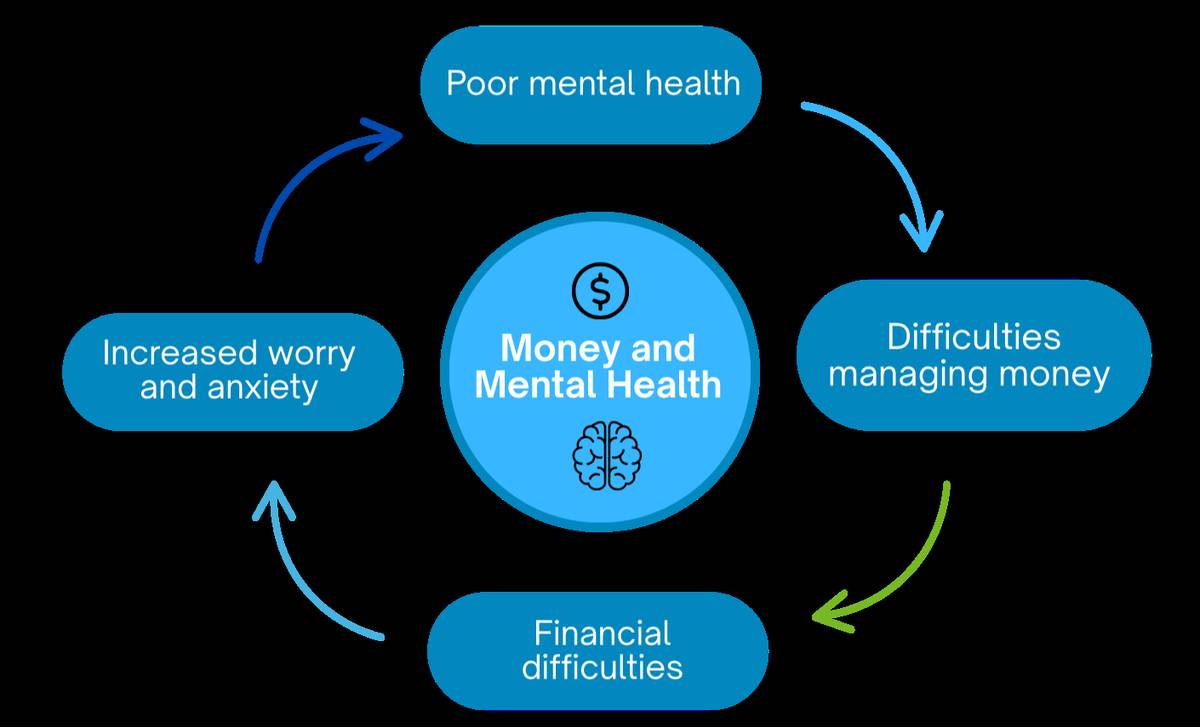
The fifth reason is shame. People feel bad when they overspend. They hide it. They stop looking at their budget. They pretend everything is fine until the credit card statement arrives. Then they feel worse. Then they hide more. It is a cycle. The only way out is honesty. With yourself. With your partner. With your numbers.
I tell my clients this. A budget is not a test you pass or fail. It is a map. If you take a wrong turn, you do not burn the map. You look at it, figure out where you are, and adjust your route. Overspent on groceries this month? Cool. Move $50 from entertainment to groceries. Problem solved. No guilt required.
The 50/30/20 calculator helps here because it gives you a framework for those adjustments. If your needs are at 65%, you know you do not have much room to move money around. If your wants are at 35%, you have a clear place to cut. It is like having a financial GPS. Recalculating route.
And the emergency fund calculator matters because unexpected expenses are the biggest budget killers. Not the regular stuff. The stuff you did not see coming. The $600 car repair. The $400 dental bill. The $800 flight to visit a sick parent. Without an emergency fund, these blow up your entire month. With one, they are annoying but manageable.
Here is my challenge. Do not build a perfect budget. Build a realistic one. Use your actual spending from the past three months as your baseline. Add categories for irregular expenses. Track daily. Adjust weekly. Review monthly. And when you mess up, and you will, do not quit. Just fix it and move on. Budgeting is a skill, not a talent. Skills get better with practice.
🛡️
Emergency Fund Calculator
Calculate how many months of expenses you should stash away for emergencies.
All data stays in your browser — we never see it.
FAQs
Why does my budget fail every month?
Usually because of unrealistic targets, missing expense categories, lack of tracking, lifestyle inflation, or shame causing you to avoid looking at the numbers.
How do I set realistic budget numbers?
Look at your actual spending from the past three months. Average it out. Use that as your baseline, then cut 10% from categories that feel bloated.
What categories do people forget to budget for?
Car registration, holiday gifts, annual subscriptions, vet bills, home maintenance, clothing, and medical deductibles. These are predictable, not emergencies.
How often should I review my budget?
Track daily, review weekly, and do a full audit monthly. Adjust categories based on actual spending patterns, not what you hoped would happen.
What should I do when I overspend?
Move money from another category to cover it. Do not use credit unless absolutely necessary. Treat it as data, not failure.
Table: Common Budget Failure Points
| Failure Point | Why It Happens | The Fix |
|---------------|----------------|---------|
| Unrealistic targets | Based on wishes, not history | Use 3-month averages as baseline |
| Missing categories | Forgetting irregular expenses | Add annual costs divided by 12 |
| No tracking | Relying on memory | Log every purchase daily |
| Lifestyle inflation | Spending raises immediately | Automate half of every raise to savings |
| Shame cycle | Hiding overspending | Treat budgets as maps, not tests |