I hate coupons. I hate cutting them out. I hate remembering to bring them. I hate finding out they expired yesterday. I hate the smug look on the cashier's face when I hand over a crumpled piece of paper for 50 cents off yogurt. Life is too short for coupons.
But I also hate spending $700 a month on groceries. Which is where we were last year before I implemented some changes. Now we spend $612. For a family of four. In Denver. Without a single coupon.
Here is how.
First, shop the perimeter. The outer edges of the grocery store are where the real food lives. Produce, meat, dairy, eggs. The middle aisles are where the processed, packaged, overpriced stuff lives. The chips, the cookies, the cereal, the frozen pizzas, the fancy sauces in glass bottles. I am not saying never buy anything from the middle. I am saying make the perimeter 80% of your cart. Your wallet and your waistline will thank you.
Second, buy generic for everything except the three things you actually care about. For us, that is coffee, peanut butter, and olive oil. Everything else is store brand. Flour, sugar, rice, pasta, canned tomatoes, beans, oats, cereal, frozen vegetables, cleaning supplies, toilet paper. The store brand is the same product, made in the same factory, with a different label. King Soopers brand black beans are $0.79. Name brand is $1.29. For the same beans. Multiply that by fifty items and you are saving $25 per trip.
Third, never shop without a list. And never shop hungry. These two rules alone probably save us $100 a month. The list keeps us focused. Hunger makes us buy chips, cookies, and random cheeses we do not need. I eat a banana before I go. It costs 25 cents and saves me $20 in impulse buys.
📊
Monthly Budget Calculator
Build a zero-based budget that accounts for every dollar coming in and going out.
All data stays in your browser — we never see it.
Fourth, check the unit price. The bigger package is not always cheaper. Sometimes the medium size is the best deal. Sometimes the bulk size is actually more expensive per ounce. The unit price is on the shelf tag. Look at it. Do the math. It takes two seconds and can save you 30% on staples.
Fifth, shop at multiple stores. I know. This sounds like a pain. But different stores have different strengths. King Soopers for basics and produce. Trader Joe's for specialty items and frozen meals. The Asian markets on Federal Boulevard for rice, noodles, spices, and produce at half the price. The Mexican grocery stores for beans, tortillas, and fresh vegetables. I do not go to all of them every week. I rotate. This week, King Soopers and the Asian market. Next week, Trader Joe's and the Mexican store. Over a month, the savings are significant.
Sixth, buy in season. Strawberries in June are $2.50 a pound. Strawberries in January are $5.99. Tomatoes in August are 99 cents a pound. Tomatoes in February are $3.49. Eat what is in season. Your food will taste better and cost less. Denver has amazing farmers markets from May through October. Use them.
Seventh, reduce meat consumption. I am not saying go vegetarian. I am saying try meatless Mondays. Or meatless Wednesdays. A pound of ground beef is $6.99. A pound of dried black beans is $1.49. A block of tofu is $2.50. Cutting meat by 30% saves us about $60 a month. And honestly, Rachel's black bean tacos are better than most meat tacos I have had.
Eighth, cook from scratch. Pre-cut vegetables cost double. Pre-marinated meats cost 50% more. Jarred sauces are $3 to $4 when the ingredients to make them cost $1. Pre-shredded cheese is $5.99 a pound when a block is $3.99. The convenience tax is real. And it adds up fast.
✂️
Expense Splitter
Split shared bills fairly between roommates, couples, or travel groups.
All data stays in your browser — we never see it.
Ninth, use your freezer. When chicken breasts are $1.99 a pound, buy ten pounds and freeze them. When berries are on sale, buy extra and freeze for smoothies. When bread is buy-one-get-one-free, freeze the second loaf. A well-stocked freezer is like a savings account you can eat.
Tenth, and this is the most important one, waste less. Americans throw away 30% to 40% of their food. That is $1,500 to $2,000 a year for the average family. Plan your meals. Use leftovers. Freeze what you cannot eat. Store produce properly so it lasts longer. When Rachel started keeping a "use first" bin in the fridge for items nearing expiration, our waste dropped by half.
The grocery budget calculator on our site helps you set a realistic target based on your family size and shopping habits. It accounts for Denver prices, not national averages. And it shows you how small changes, like switching to generic brands or reducing meat, affect your total.
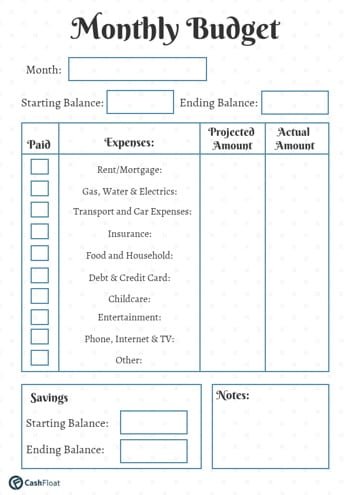
The monthly budget calculator keeps your grocery spending in context. If you are spending $600 on groceries but $500 on dining out, the problem is obvious. Fix the dining out first. The biggest grocery savings often come from eating at home more, not from shopping smarter.
And the expense splitter is useful if you share grocery costs with roommates or a partner. Track who buys what. Split fairly. Avoid the "I bought the milk three times this month" arguments.
I am not a coupon person. I never will be. But I am a person who feeds his family well on $612 a month in one of the most expensive cities in the country. And I do it without clipping a single piece of paper. If I can do it, you can too.
⚖️
50/30/20 Calculator
Split your income into needs, wants, and savings with this classic framework.
All data stays in your browser — we never see it.
FAQs
How can I save money on groceries without using coupons?
Shop the perimeter, buy generic brands, always use a list, check unit prices, shop multiple stores, buy in season, reduce meat consumption, cook from scratch, use your freezer, and waste less food.
Is generic food actually the same quality?
For staples like flour, rice, pasta, canned goods, and frozen vegetables, yes. Store brands are often made in the same facilities as name brands. For specialty items like coffee or olive oil, you might prefer name brands.
How much can I save by shopping at multiple stores?
Depending on your current habits, 15% to 25%. Ethnic markets and discount stores often have significantly lower prices on staples and produce.
Does buying in bulk always save money?
Not always. Check the unit price. Sometimes the medium size is the best deal. Bulk is best for items you use frequently and that do not spoil.
How do I reduce food waste?
Plan meals weekly, use a "use first" bin in the fridge, freeze leftovers, store produce properly, and only buy what you have a plan for.
Table: Grocery Savings Strategies and Impact
| Strategy | Estimated Monthly Savings | Effort Level |
|----------|--------------------------|--------------|
| Buy generic | $25-$40 | Low |
| Shop multiple stores | $30-$60 | Medium |
| Reduce meat 30% | $40-$80 | Low |
| Cook from scratch | $50-$100 | Medium |
| Reduce waste | $40-$80 | Low |
| Buy in season | $20-$40 | Low |
| Total potential | $205-$400 | - |