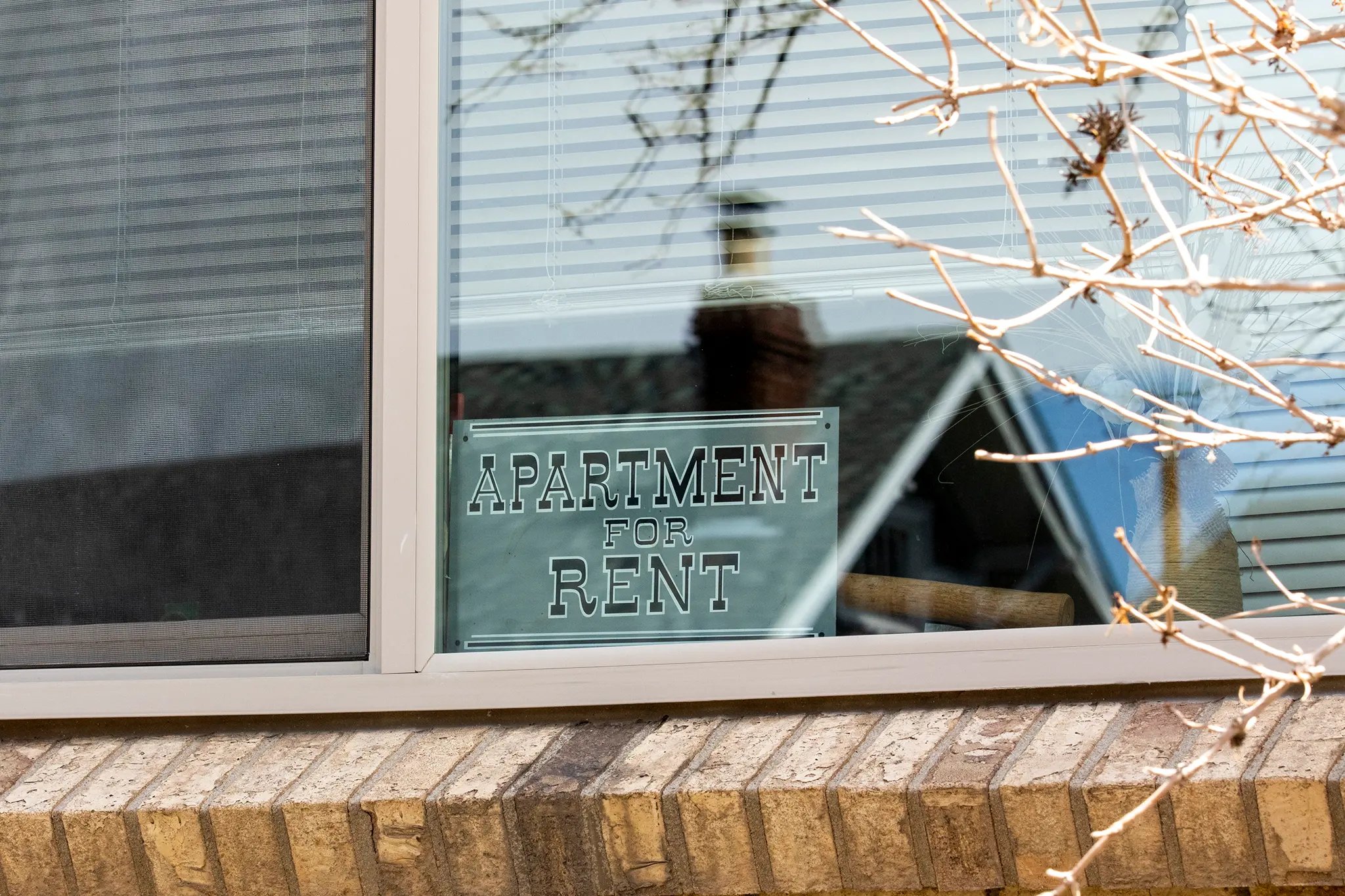
Pick up the phone. Yes, right now. I know you don't want to. I know the idea of calling your landlord makes your stomach do that thing where it tries to leave your body through your throat. But I'm serious. Put down the coffee. Step away from the spreadsheet. Pick up the phone.
I spent ten years as a financial counselor in Denver. I've sat across from 2,400 families and watched them make the same mistake: they accept the rent increase letter like it's a weather report. Something that happens to them. Something they can't control. And I'm here to tell you that's a lie. You can negotiate your rent. You should negotiate your rent. And in Denver's current market — where inflation is 3.9% and the average two-bedroom just hit $2,400 — you absolutely have to.
The Call That Saved $1,920
My client Elena did it last month. She'd been renting a one-bedroom in Capitol Hill for three years. Her lease renewal came with a $280 increase. From $1,850 to $2,130. That's a 15% jump — well above the new Colorado law that caps lease-term increases at 2% for leases of one year or less under HB25-1090.
I told her what I'm telling you. Call them. Not email. Call. And say exactly this: "I've been a reliable tenant for three years. I've never missed a payment. I've never had a complaint. I'm asking you to reconsider the increase because I want to stay, but I can't absorb a 15% jump. Would you be willing to meet in the middle?"
She called. She was shaking. She read the script off a sticky note. And you know what? They dropped the increase to $120. She saved $1,920 over the next year with a five-minute phone call. Five minutes. That's $384 per minute. I don't know about you, but I don't make that kind of money doing anything else.
Why Landlords Negotiate (Even When They Say They Don't)
Here's the thing about landlords in Denver right now. Yes, they can raise rents. The market supports it — single-family home rents are forecast for 2-3% growth through 2026, and apartment rents are stabilizing after a 3.2% year-over-year decline. But vacancy rates in the apartment sector hit 7.6% in late 2025. A reliable tenant who pays on time and doesn't destroy the property is worth something. It's worth more than the extra $160 a month they might get from a new tenant who turns out to be a nightmare.
Landlords know this. They just hope you don't. Turnover costs them $2,000 to $4,000 when you factor in cleaning, painting, advertising, and vacancy. If you pay $1,850 a month, a one-month vacancy costs them more than accepting a $100 smaller increase. The math is on your side — if you're willing to do the math.
I had another client, Marcus, who tried the same thing. His landlord said no. Flat no. No negotiation. Marcus started looking at other apartments and found a similar unit two blocks away for $50 less than his current rent, even with the increase. He told his landlord he was leaving. Three days later, the landlord called back. "What if we split the difference?" Marcus moved anyway. He was done. But the point is: the power dynamic is not as one-sided as you think.
The New Colorado Law That Protects You
Starting January 1, 2026, Colorado's HB25-1090 changed the game. Landlords must now disclose the total rent for a unit upfront — no more hiding fees to make rent appear lower. They can't charge payment processing fees unless a free option exists. And crucially, they cannot increase rent by more than 2% during a lease term of one year or less.
If your landlord is trying to raise your rent mid-lease by more than 2%, that's not just unfair — it may be illegal. You have rights. The Colorado Division of Housing has resources, and organizations like Colorado Legal Services can help if you're facing an illegal increase.
But here's the catch: these protections apply during the lease term. At renewal, landlords can propose larger increases. That's why the phone call matters. That's your window to negotiate before the new lease starts.
The Psychology of the Call
Most people don't negotiate rent because it feels confrontational. It feels like asking for a favor. But it's not a favor. It's a business transaction. You're offering reliability and guaranteed income in exchange for a fair rate. That's it. That's the frame. You're not begging. You're negotiating.
The script works because it hits three psychological triggers: reciprocity (I've been good to you), scarcity (I might leave), and fairness (this increase is unreasonable). You don't need to be aggressive. You need to be calm, prepared, and willing to walk if the numbers don't work.
Denver's rent market is brutal right now. I won't lie to you. The TABOR refunds dropped to $62 this year, which means that little windfall everyone was using to cushion rent increases is gone. Wages are not keeping up. The 50/30/20 rule is a fantasy for most people I work with. Housing is eating 40, 45, sometimes 50% of income. And when the rent goes up 15%, something else has to give.
I've watched families cut groceries. I've watched them skip dental appointments. I've watched them drain the emergency fund they spent two years building. And every time, I ask: did you try to negotiate? And every time, they say no. Not because they didn't want to. Because they didn't think they could.
Frequently Asked Questions
Can my landlord raise my rent by any amount in Denver?
Under Colorado's HB25-1090, landlords cannot increase rent by more than 2% during a lease term of one year or less. However, at lease renewal, there is no statewide rent control cap in Colorado. Denver itself does not have rent control, though some advocates are pushing for it. Always check your lease terms and the new disclosure requirements.
What should I say when negotiating rent with my landlord?
Keep it simple and fact-based: "I've been a reliable tenant for [X] years with no late payments. I'm committed to staying, but a [Y]% increase is beyond what I can absorb. Would you consider [specific counteroffer]?" Mention your good payment history and offer to sign a longer lease in exchange for a smaller increase. Silence is the only guaranteed way to pay more.
How much does it cost a landlord to replace a tenant?
Industry estimates put turnover costs at $2,000 to $4,000 per unit when you factor in cleaning, repairs, advertising, showing the unit, and vacancy loss. For a $1,800-a-month unit, one month of vacancy costs the landlord $1,800 plus expenses. A $100 monthly increase only generates $1,200 over a year. The math often favors keeping a good tenant at a slightly lower rate.
What if my landlord refuses to negotiate and I can't afford the increase?
Start looking immediately. Denver's apartment market has softened slightly — multifamily rents fell 3.2% year-over-year as of early 2026, and vacancy is up to 7.6%. You may find a better deal, especially in suburban areas like Aurora or Lakewood. Also check if you qualify for rental assistance through the Colorado Department of Local Affairs or local non-profits.
Does Denver have rent control?
No, Denver does not currently have rent control. Colorado state law prohibits local governments from enacting rent control ordinances under the statewide preemption. However, the new transparency and fee-disclosure laws under HB25-1090 give tenants some protection against deceptive practices and mid-lease increases.
You can. I promise you can. It might not work. But it might. And the cost of trying is a five-minute phone call. The cost of not trying is $1,920 a year. That's math I can do in my head. What's the worst that could happen — they say no and you're exactly where you started?
