I do not trust budgeting apps. There. I said it. I know they are convenient. I know they sync with your bank account and categorize everything automatically. I also know they sell your data, crash at the worst possible moment, and sometimes categorize a $200 payment to your dentist as "entertainment." No thanks.
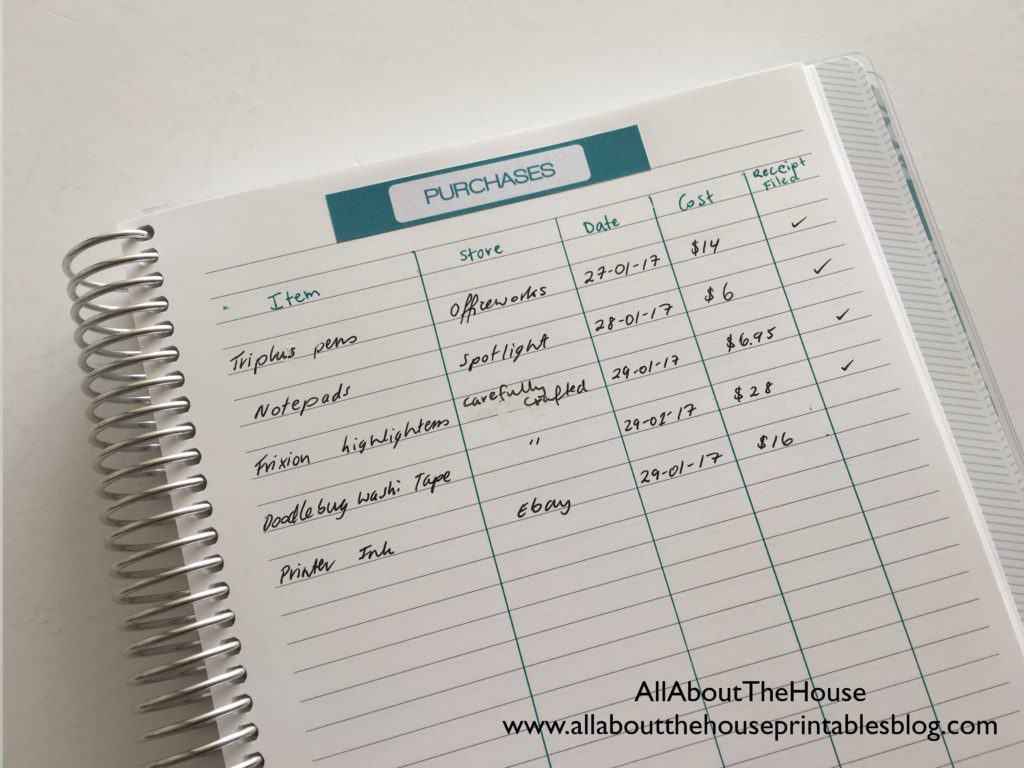
I track my expenses the old way. Pen and paper. A notebook I bought for $3 at Target. Every night, after the kids are in bed and Rachel is watching her show, I sit at the kitchen table and write down what I spent. It takes four minutes. It is not fancy. It works.
Here is why it works. The act of writing something down forces your brain to process it. When you swipe a card and an app logs it automatically, your brain does not register the spending. It is invisible. When you have to physically write "$47.32, King Soopers, groceries," you feel it. You remember it. You are less likely to do it again tomorrow.
The system is simple. I use a standard notebook, one page per week. At the top, I write the week number and my target spending for the week. Then I list every purchase with the date, amount, store, and category. Groceries. Gas. Dining out. Entertainment. Household. Medical. Miscellaneous. At the end of the week, I add up each category and compare it to my monthly budget.
If groceries are on track, great. If dining out is double what it should be, I know I need to cook more next week. No algorithms. No notifications. No data breaches. Just me and my numbers.
The envelope method is another old-school technique that works. At the beginning of the month, you withdraw cash for your variable expenses. Groceries, dining out, entertainment, gas. You put the cash in labeled envelopes. When the envelope is empty, you stop spending in that category. Period. It is brutal. It is effective. I had a client who cut her dining out spending from $340 a month to $90 using envelopes. Because once the envelope was empty, the decision was made for her. No willpower required.
📊
Monthly Budget Calculator
Build a zero-based budget that accounts for every dollar coming in and going out.
All data stays in your browser — we never see it.
Some people modify this for the digital age. They use separate debit cards for different categories. One card for groceries, one for gas, one for fun. Each gets a set amount loaded at the start of the month. When it is gone, it is gone. Same principle, different medium.
The receipt jar is another method I like. Every time you make a purchase, you put the receipt in a jar on your counter. At the end of the week, you sit down and enter them all into a spreadsheet. The jar acts as a visual reminder of your spending. When it is full, you know you have been busy. It is hard to ignore a jar overflowing with receipts.
I also recommend the text message method for people who are always on their phones. Every time you spend money, send yourself a text with the amount and category. At the end of the week, scroll through your texts and add them up. It is low-tech, always available, and creates a timestamped record you cannot lose.
Now, I am not saying apps are evil. If you love your app and it works for you, keep using it. But if you have tried three apps and abandoned all of them, maybe the problem is not the apps. Maybe the problem is that you need a system that requires more engagement, not less.
The expense tracker spreadsheet is the bridge between old-school and digital. You create a simple spreadsheet with columns for date, amount, category, and notes. You update it weekly. You can add charts and graphs if you want to get fancy. But the basic version takes ten minutes a week and gives you more insight than any app I have ever used.
Our monthly budget calculator is actually a good digital alternative if you want something more structured than a notebook but less invasive than an app. You input your numbers manually. It does the math for you. It shows you where you stand. But you are still the one entering the data. You are still engaged. And all data stays in your browser. No syncing. No tracking. No selling.
✂️
Expense Splitter
Split shared bills fairly between roommates, couples, or travel groups.
All data stays in your browser — we never see it.
The expense splitter also works well for manual tracking if you share expenses with someone. You can input shared bills, assign splits, and see who owes what. Again, manual entry. Active participation. Better awareness.
Here is my challenge. Try tracking your expenses manually for one month. Just one month. Use a notebook, a jar, or text messages. Write down every single purchase. Do not judge yourself. Do not try to change your spending. Just observe. At the end of the month, add it all up. I guarantee you will find at least one category that shocks you. Maybe it is coffee. Maybe it is Amazon. Maybe it is something you did not even realize you were buying. That awareness is the first step to change.
And if you are worried about forgetting, carry a small notebook in your pocket. Or use the notes app on your phone. The method does not matter. The consistency matters. The awareness matters. The habit of looking at your money matters more than how you look at it.
Denver is expensive. Every dollar counts. Knowing where they go is not optional. It is survival. So pick up a pen. Open a notebook. Start tracking. Your wallet will thank you. And so will your future self.
⚖️
50/30/20 Calculator
Split your income into needs, wants, and savings with this classic framework.
All data stays in your browser — we never see it.
FAQs
What is the best way to track expenses without an app?
Pen and paper, the envelope method, a receipt jar, or text messages to yourself. The key is manual entry, which increases awareness and reduces mindless spending.
Does writing down expenses actually help?
Yes. The physical act of recording a purchase engages your brain differently than automatic app tracking. It creates awareness and often reduces impulse spending.
What is the envelope method?
Withdraw cash for variable expenses at the start of the month. Put it in labeled envelopes. When an envelope is empty, stop spending in that category.
How often should I track expenses?
Daily is best. Write down purchases the same day they happen. At minimum, do a weekly review to stay on top of your spending.
Can I use a spreadsheet instead of an app?
Absolutely. A simple spreadsheet with columns for date, amount, category, and notes is often more effective than apps because it requires active participation.
Table: Manual Expense Tracking Methods Compared
| Method | Time Required | Best For | Effectiveness |
|--------|--------------|----------|---------------|
| Notebook | 5 min/day | People who need tactile engagement | High |
| Envelope method | 30 min/month setup | Overspenders who need hard limits | Very high |
| Receipt jar | 15 min/week | Visual learners | High |
| Text messages | 2 min/purchase | Phone addicts | Moderate |
| Spreadsheet | 10 min/week | Data lovers | High |